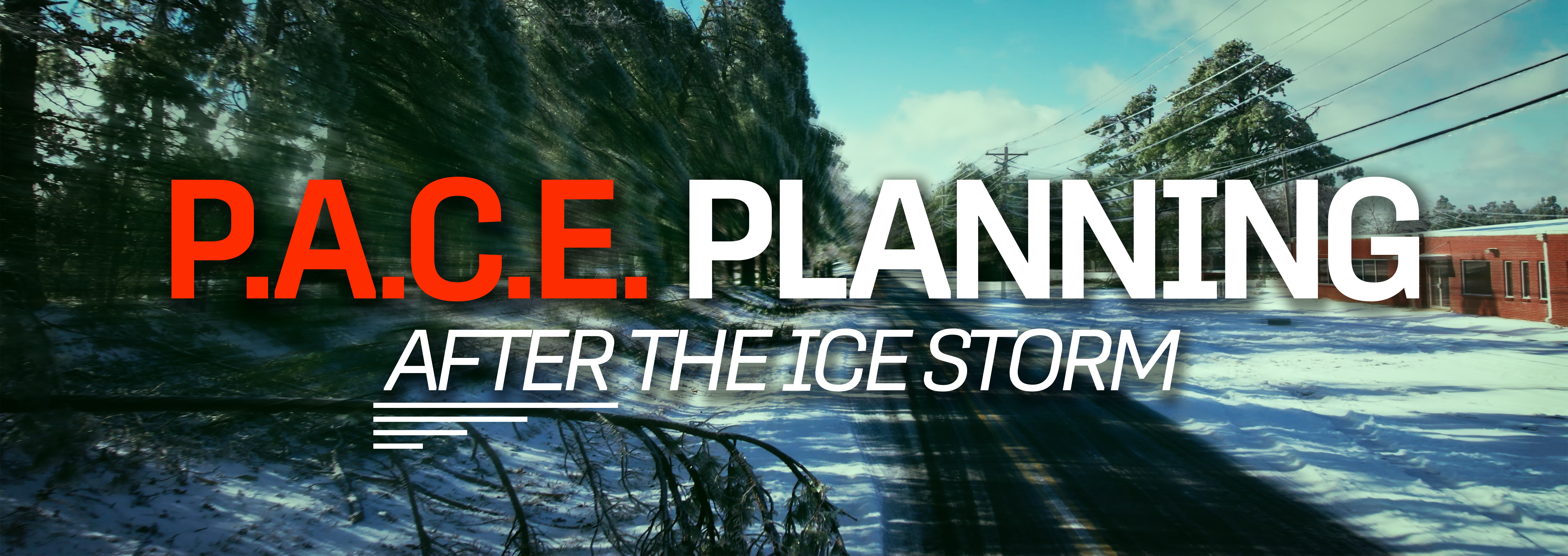
Recently, much of Middle Tennessee experienced a severe ice storm that left many areas without power and made travel dangerous or impossible. For many families, the biggest challenges weren’t limited to heat or food; it was also communication.
Cell service became unreliable, roads were impassable, and neighbors who normally felt close suddenly felt far away. Situations like this highlight the often-overlooked reality that our communications infrastructure is fragile.
This article walks through what a practical communications PACE plan could look like during a storm like this, along with the principles you can use to build your own, so you never find yourself in a similar situation.
What Is a PACE Plan?
PACE is an acronym that stands for:
- Primary
- Alternate
- Contingency
- Emergency
A PACE plan is a structured way to plan multiple communication methods so that, when one fails, you already know what comes next. The goal here is not to own the most equipment, but to ensure communication continues even as conditions degrade.

Two Principles of Effective PACE Planning
1.) You Need More Than One PACE Plan
Most people think of PACE as a single list. In reality, you should build separate plans based on who you are trying to communicate with. In this scenario, we have two:
- Internal communications: Family and nearby neighbors (close range)
- External communications: Reaching emergency services (long range)
2.) Choose Methods Based on Your Environment, Not Preference
Communication tools should be prioritized based on reliability, environmental performance, power requirements, setup complexity, and security (when applicable). During this ice storm scenario, reliability in our environment becomes the deciding factor, as we are not concerned about transmissions being intercepted or the time to set up, since we are literally frozen in place.
Available Communication Tools
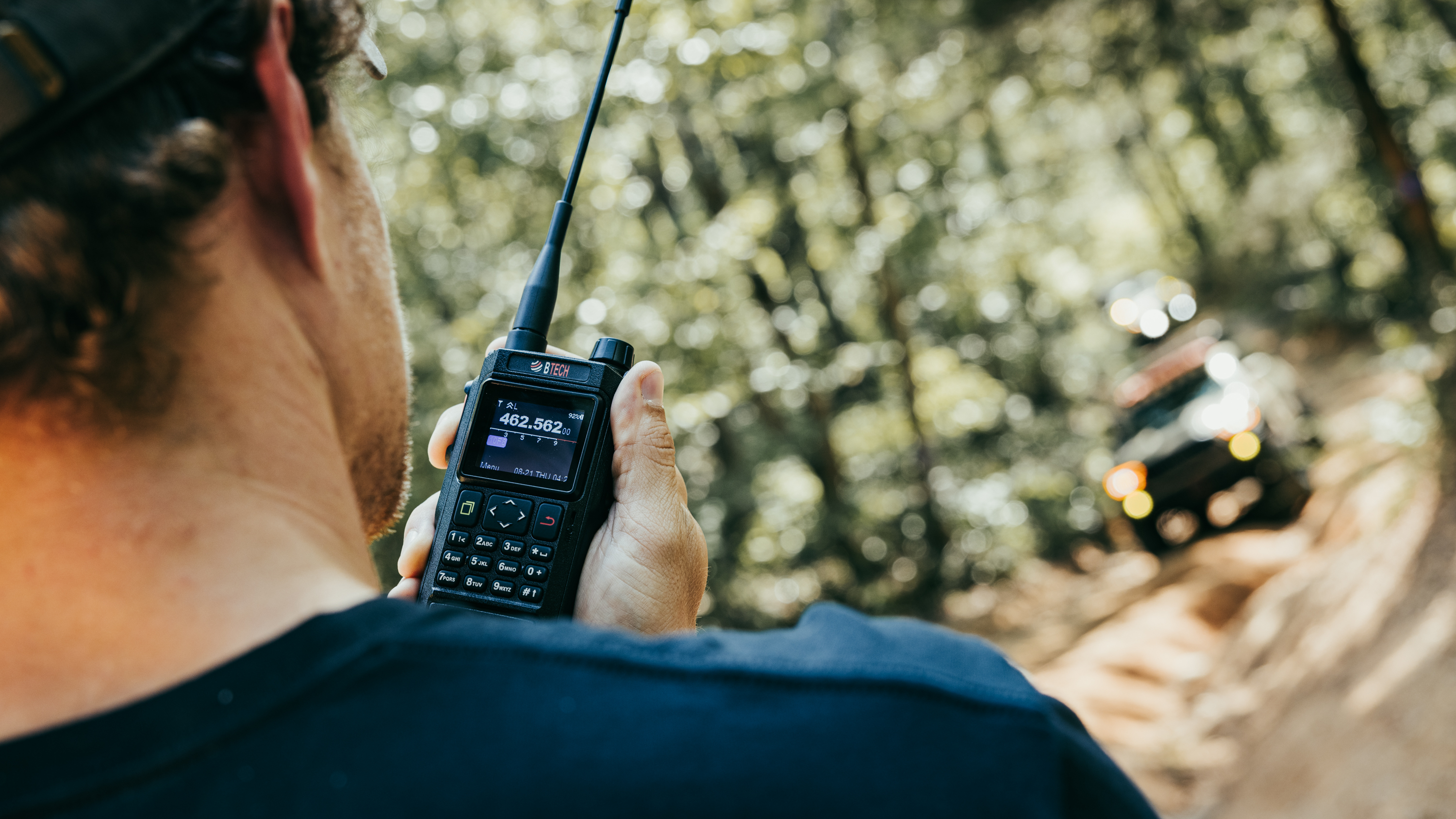
For this example, we have access to:
- Cell Phone (Dependent on Cellular Infrastructure)
- Starlink Satellite Internet (Requires Power)
- Garmin inReach Mini 3 Plus (Satellite Messaging & GPS)
- BTECH UV-PRO Dual-Band Handheld Radio (UHF/VHF)
- FRS Walkie-Talkies (Limited Range)
- Visual Signaling Tools: Flare Gun, VS-17 Panel, and Signal Mirror
We are also assuming limited backup power from a generator, which must be used sparingly during an unknown length of outage.
Planning Around Power Limitations
Power becomes one of the most important constraints during disasters. Even with a generator, communication devices should not run continuously. A better approach is to establish pre-planned communication windows, which are specific times when devices are powered on to check in or pass information. This dramatically extends battery life while maintaining coordination.
Internal PACE Plan: Family & Community Communications

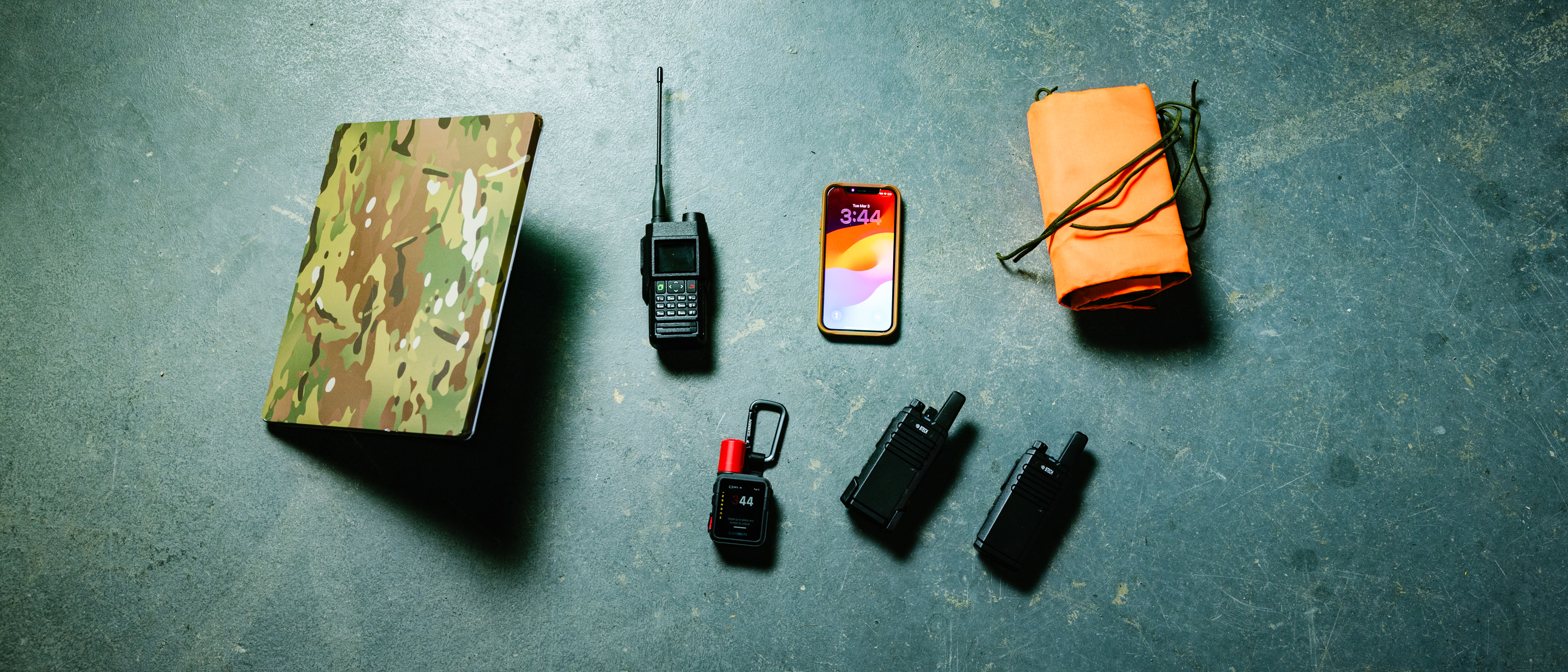
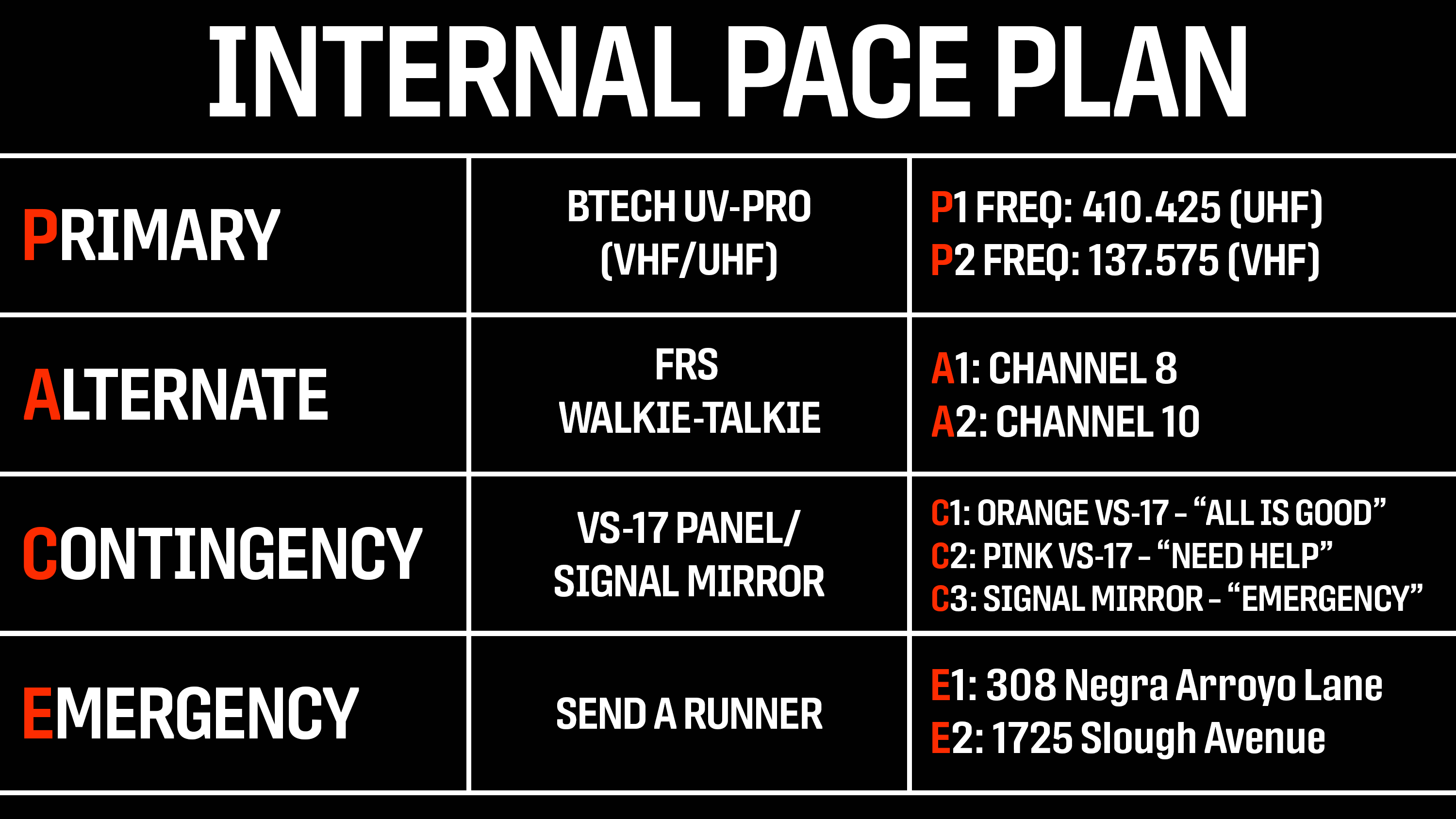
A handheld dual-band radio is our most reliable, short-range communication tool for this use case.

FRS radios require less setup at the cost of reduced range and transmit power, but are very simple to use.
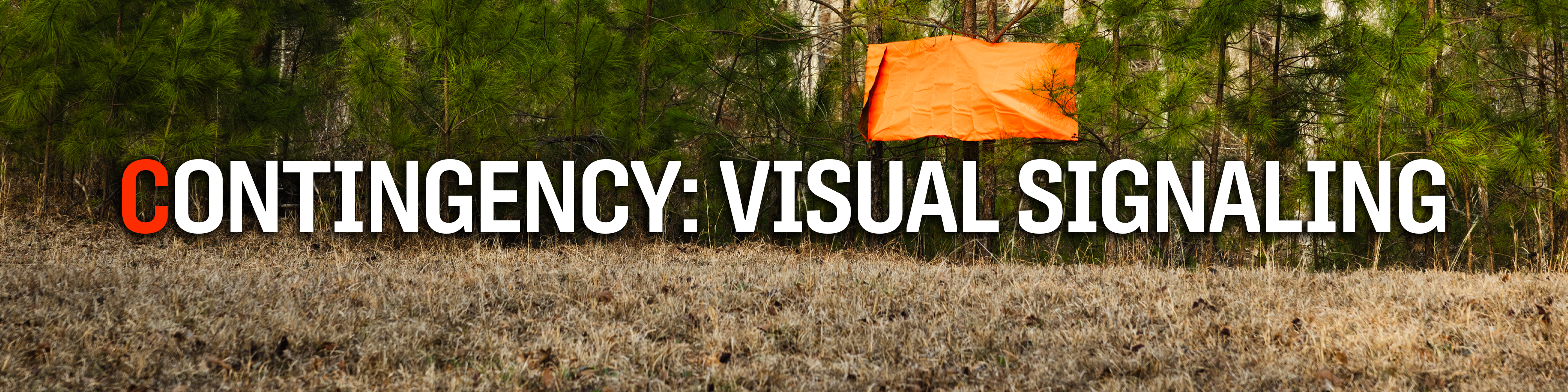
Visual signals, such as a VS-17 panel, can communicate status during planned communication windows and do not require any power.

At very short distances, physically sending a person may become the most reliable option when all equipment fails. This is an extremely common emergency plan.
External PACE Plan: Reaching Emergency Services

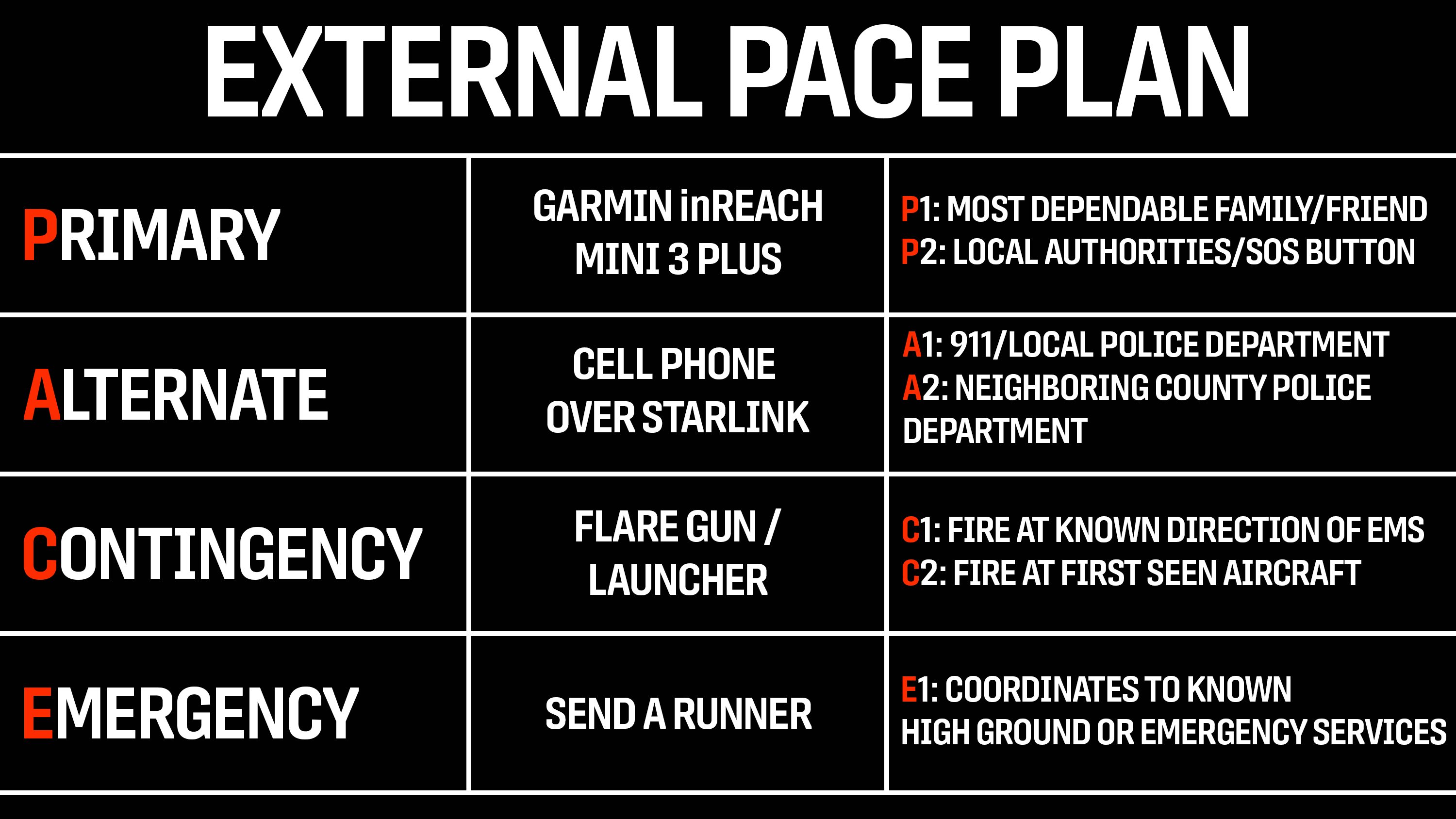
Satellite messaging provides dependable, long-range communication independent of local infrastructure and is easy to use. Hand-held radios are virtually ruled out because of the long-range requirement.

When power is available, Starlink provides full communication capability and is the most effective option in this scenario. If power weren’t such a big concern, this would likely be our Primary.
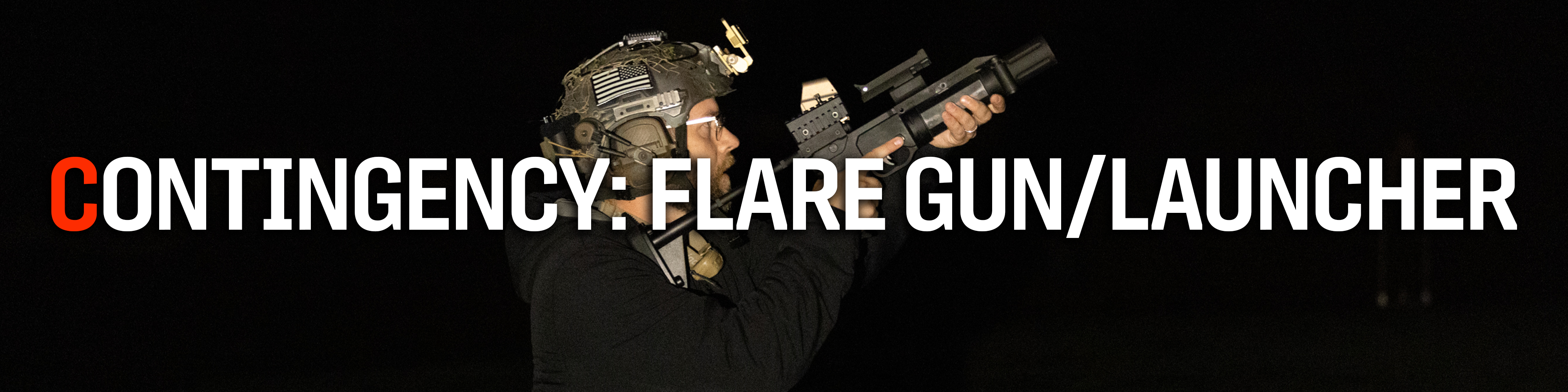
Visual signaling can attract attention if rescue or outside assistance is nearby.

A last resort may involve walking or driving to regain cell service or reach assistance. Combining the flare gun with a runner would be a good idea here to increase your chances of making contact if you see or hear assistance is nearby.
Lessons Learned
- Build separate PACE plans for local and long-range communication.
- Reliability matters more than capability during disasters.
- Power availability often determines your primary method.
- Communication windows conserve batteries.
- When all else fails, keep it simple.
- A plan only works if everyone understands it beforehand.

Final Thoughts
Every disaster introduces different constraints, but the principles behind a PACE plan remain consistent. Build more than one plan, and build them around your environment and conditions.
If you build your plan around realistic limitations like terrain, power, and distance, you will increase your ability to coordinate with family, neighbors, and emergency services when infrastructure fails.
If you have questions about building your own communications plan, contact us at [email protected].